
The Complete Guide to PVD Jewelry: Durability, Waterproof Performance, and Everyday Wear
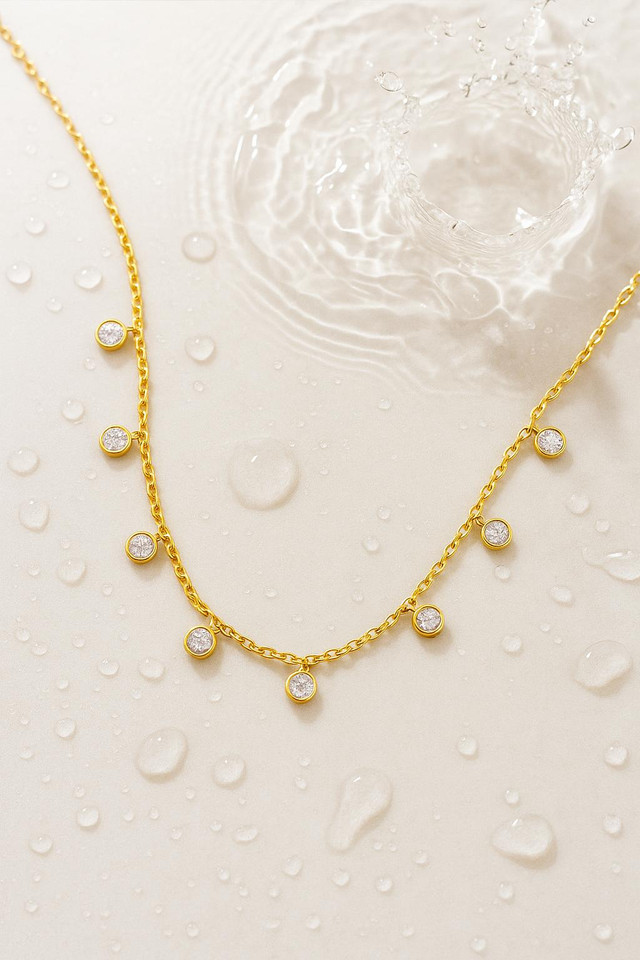
When people shop for jewelry today, they’re no longer just looking for style.
They want pieces that can handle daily life — water, sweat, and constant wear — without fading or causing skin irritation.
That’s where PVD jewelry has gained attention.
But there is still confusion about what it is. People also wonder how durable it is. Many ask if it is suitable for everyday use.
This guide explains everything in a clear and practical way.
What Is PVD Jewelry?
PVD stands for Physical Vapor Deposition. It is a coating process that bonds a thin, durable layer onto a base metal.
Unlike traditional plating, which simply sits on the surface, PVD:
- Bonds at a molecular level
- Creates a more uniform finish
- Provides stronger resistance to wear
Because of this, PVD is widely used in:
- Watches
- Eyewear
- High-use metal components
Its use in jewelry is relatively recent, but growing fast due to its durability.
Why PVD Jewelry Is Considered More Durable
One main reason people choose PVD jewelry is that it handles daily exposure better than standard plated pieces.
Key durability advantages:
- Stronger adhesion → less peeling or flaking
- Higher scratch resistance → better surface protection
- Improved corrosion resistance → reduced risk of rust or discoloration
In practical terms, this means the jewelry maintains its appearance longer under normal use.
Is PVD Jewelry Waterproof?
PVD jewelry is generally considered water-resistant and suitable for everyday exposure.
What it can handle:
- Hand washing
- Showering
- Sweat and humidity
- Daily environmental exposure
For most users, this makes it functionally “waterproof” in everyday situations.
Important clarification:
No coated jewelry is completely immune to long-term chemical exposure.
To preserve longevity, it’s recommended to limit exposure to:
- Chlorinated water (pools)
- Saltwater for extended periods
- Strong cleaning chemicals
These conditions can gradually affect the surface over time.
PVD vs Traditional Plating
Understanding the difference helps explain why PVD is often preferred for daily wear.
Traditional plating:
- Thin surface layer
- Wears off relatively quickly
- More sensitive to moisture and friction
PVD coating:
- More tightly bonded layer
- Greater resistance to wear
- Better performance under repeated use
This is why PVD is commonly positioned as a more durable alternative, not just a cosmetic finish.
Is PVD Jewelry Good for Everyday Wear?
For most users, yes.
PVD jewelry is particularly suitable if:
- You wear jewelry throughout the day
- You prefer low-maintenance pieces
- You want consistent color and finish
- You are active (work, gym, outdoor use)
It reduces the need to constantly remove or replace jewelry.
Common Misconceptions About PVD Jewelry
1. “It’s completely indestructible”
While durable, it still requires basic care like any material.
2. “All PVD jewelry is the same”
The quality depends on:
- Base metal
- Thickness of coating
- Manufacturing standards
Lower-quality products may not perform the same.
3. “It never changes over time”
All materials experience wear — PVD simply slows that process significantly.
How to Maintain PVD Jewelry
Maintaining PVD jewelry is simple and does not require special products.
Basic care includes:
- Cleaning with a soft cloth
- Avoiding harsh chemicals
- Storing separately to prevent scratches
These steps help extend its lifespan and preserve its finish.
Why PVD Jewelry Is Growing in Popularity
The demand for PVD jewelry is increasing because it aligns with what modern buyers want:
- Durability without high cost
- Low maintenance
- Consistent appearance
- Practical everyday use
It fills the gap between:
- Cheap plated jewelry (low durability)
- Solid precious metals (high cost)
Final Thoughts
PVD jewelry is not just a trend — it’s a response to a real need for longer-lasting, everyday-wear accessories.
For buyers looking for:
- Water-resistant performance
- Reduced fading
- Reliable daily use
It offers a practical and balanced option.